In the basement of Switzerland's Federal Institute of Metrology stands the world's most accurate clock—an optical lattice atomic timepiece capable of losing just one second every 300 billion years.
This pinnacle of temporal precision represents more than just technological achievement; it embodies humanity's relentless quest to measure, track, and control time itself. From sleep-tracking devices to high-frequency trading algorithms operating in microseconds, we live in an era where time measurement has reached unprecedented granularity.
The Evolution of Timekeeping
Yet this fixation isn't merely a product of the digital age.
Archaeological evidence reveals notches carved into mammoth tusks 30,000 years ago, carefully tracking lunar phases. Every major civilization that left archaeological traces also developed sophisticated calendars. Time measurement appears to be as fundamental to human society as language itself.
The conventional explanation for this universal preoccupation suggests practical origins: early agricultural societies needed to predict seasonal changes for planting and harvesting. However, recent anthropological research reveals a deeper motivation: the fundamental human need to create meaning through pattern and order.
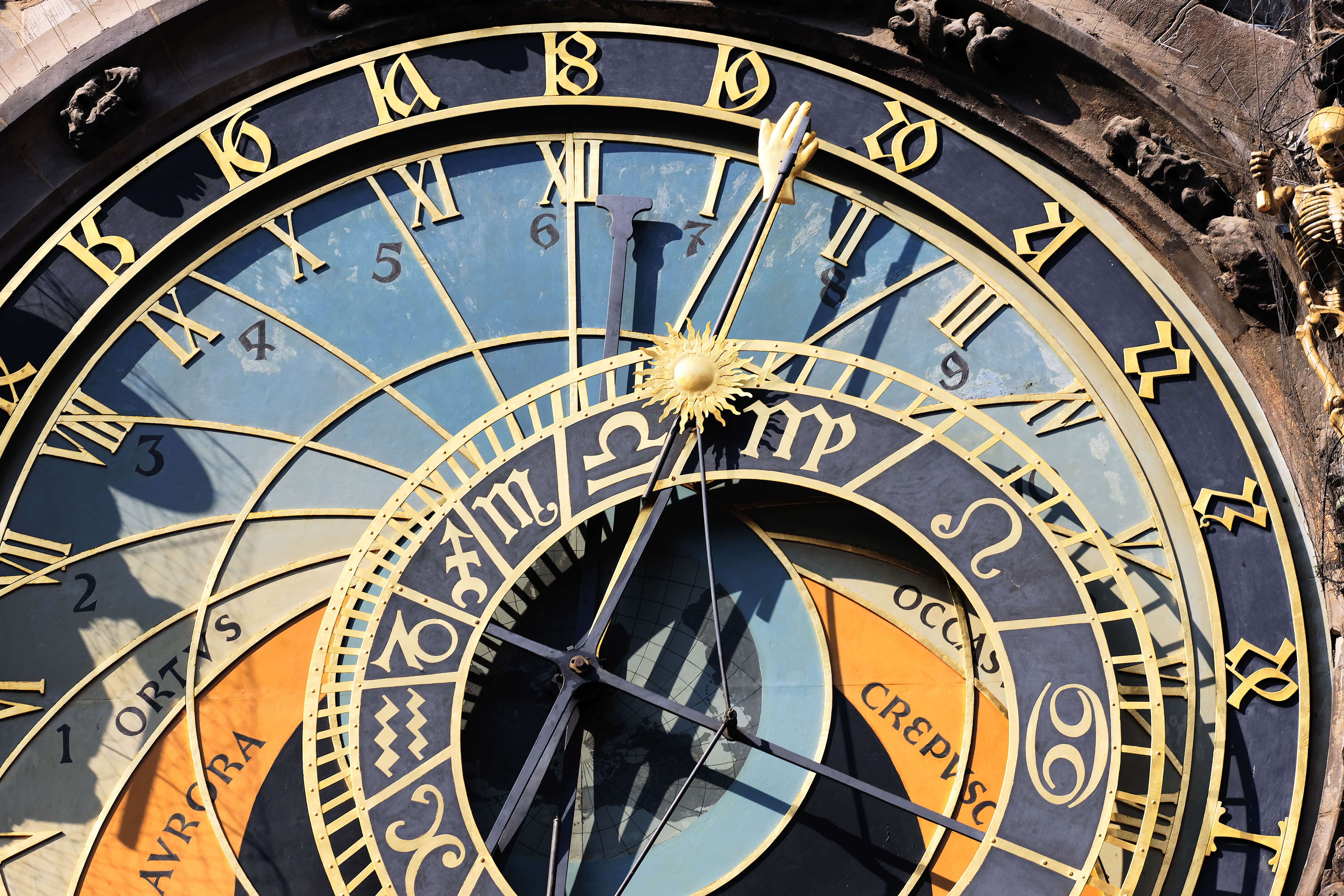
This search for temporal order has evolved dramatically through the ages. Ancient Babylonians divided their days using water clocks. Medieval monasteries regulated prayer times with sundials. The Industrial Revolution brought mechanical precision to factory schedules.
Now, atomic clocks synchronize global financial markets and internet protocols.
The Digital Transformation of Time
The pandemic marked a critical shift in our temporal consciousness. When lockdowns disrupted normal schedules, millions experienced what researchers term "temporal disintegration"—the dissolution of traditional time markers. Yet digital time tracking intensified. Screen time monitoring, productivity apps, and fitness trackers proliferated, replacing natural rhythms with digital ones.
This transformation carries profound implications.
Research indicates that excessive time monitoring correlates with increased anxiety levels, yet modern economies increasingly demand split-second precision. Major technology companies now employ specialized teams to optimize every moment of their operations, creating what some scholars call the "chronometric economy."
In financial centers worldwide, algorithms execute trades in nanoseconds. Social media platforms experiment with features that promise to "save time" through accelerated content consumption. Time itself has become both commodity and currency, bought, sold, and traded in increasingly abstract ways.
The commodification of time reflects broader cultural shifts. Traditional societies often viewed time as cyclical, following natural rhythms of seasons and celestial movements. Modern industrial societies reimagined time as linear and finite—something to be budgeted, spent, and saved.
Now, digital culture fragments time into ever-smaller units while paradoxically promising to help us "make more" of it.
The Future of Time Perception
The proliferation of time-tracking technology poses new questions about human autonomy and well-being. As artificial intelligence systems operate at speeds beyond human perception, our relationship with time faces fresh challenges.
When machines can make decisions in microseconds, what becomes of human-scale time?
Yet beneath the digital timestamps and atomic precision, our fundamental relationship with time remains remarkably consistent with that of our ancestors. Whether through carved notches or smartphone apps, humans continue to seek patterns in time's flow, attempting to create order from the chaos of existence.
The atomic clock in Switzerland may lose just one second in 300 billion years.
The human drive to measure, mark, and make sense of time's passage remains as constant as time itself.