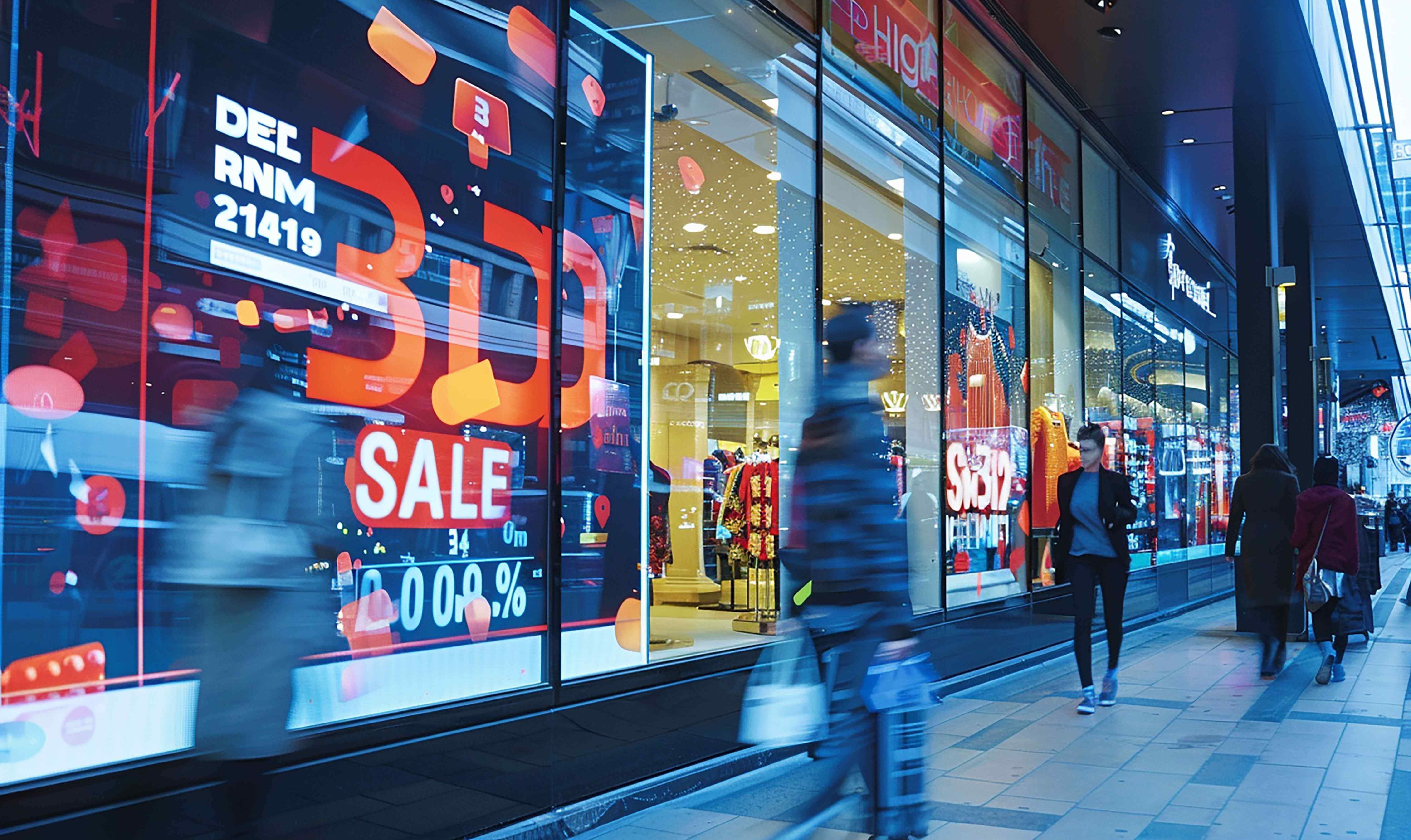
In an increasingly globalized world, the concept of a 24/7 schedule—working, operating, and living around the clock—has become a common feature in many societies. According to the International Labour Organization's research on working time, how cultures and countries divide, organize, and utilize their day can vary significantly across the globe.
The 24-Hour Clock and the Origin of Time Zones
The concept of a 24-hour day stems from ancient Egyptian civilization, which divided day and night into two cycles of 12 hours. This system was later adopted by the Greeks and Romans, who helped spread it through Europe. You can learn more about this fascinating history at the Royal Museums Greenwich's guide to timekeeping.
In the modern world, the invention of time zones in the 19th century allowed countries to synchronize their timekeeping with the position of the sun, standardizing daily schedules across continents.
Work Culture: The 9-to-5 and Beyond
The "9-to-5" workday, popularized in the United States and many Western countries, has long served as the standard in many professional sectors. The U.S. Bureau of Labor Statistics shows how this pattern has evolved over time. However, not every country embraces this schedule.
Japan: Known for its demanding work culture, Japan has developed a reputation for long hours, with employees frequently working beyond the official 9-to-5 schedule. Although work hours have been a point of reform in recent years, as detailed in Japan's Work Style Reform initiatives, some employees still feel pressure to stay late, reflecting a broader cultural emphasis on commitment and loyalty to the company.
Germany: Germany, on the other hand, has a well-structured work-life balance, with employees typically working from 9 a.m. to 5 p.m. and expecting to leave on time. According to the OECD's productivity data, Germany's productivity rates are among the highest in the world, demonstrating that long hours are not necessarily correlated with efficiency.
Spain and the Siesta: Spain's traditional work structure included a midday break for the siesta, allowing workers to rest during the hottest part of the day. The Spanish Ministry of Labor has been implementing various reforms, and while the siesta is no longer widely practiced in major urban areas, many businesses in rural parts of Spain still close for a few hours in the afternoon, with workers returning in the early evening.
Night Owls vs. Early Birds: Cultural Differences in Sleep and Leisure
How people structure their day and night activities can vary based on cultural norms and climate, as documented by the World Health Organization's studies on work-life patterns.
Middle Eastern Countries: In many Middle Eastern countries, where temperatures can soar during the day, people tend to be more active in the evenings. This is especially true in summer, when residents of cities like Dubai or Riyadh might spend their evenings socializing or shopping until late at night. The phenomenon of "night markets" is common, creating a lively nighttime economy that accommodates both locals and tourists.
Southern Europe: In countries such as Italy and Greece, people often eat dinner later in the evening, sometimes as late as 9 or 10 p.m., especially in the summer. This schedule is partly influenced by warm weather and a leisurely approach to dining, where meals can extend for hours. Cities remain bustling late into the night, with cafes and plazas filled with people.
Nordic Countries: By contrast, in Nordic countries like Norway, Sweden, and Finland, people tend to follow an early schedule, eating dinner around 5 or 6 p.m. and going to bed earlier. The extreme daylight variation throughout the year also impacts daily routines. In the winter, with limited daylight, people prioritize daytime activities, while in the summer, residents take advantage of the midnight sun to spend more time outdoors.
Religious and Cultural Influences
Religious practices play a significant role in structuring the day in several parts of the world.
Muslim Countries: In predominantly Muslim countries, the day is structured around the five daily prayers (Salah), which guide the rhythm of daily life. The call to prayer punctuates each day, from early morning (Fajr) to nightfall (Isha), affecting work hours and social routines.
India: In India, religious practices also impact daily schedules, with morning and evening rituals like prayer and meditation being common among many families. The Ministry of Culture, Government of India provides insights into how these cultural practices shape daily life. Certain festivals and observances, such as the Hindu festival of Diwali or the Muslim month of Ramadan, temporarily adjust daily routines.
Technology and the Shift to 24/7
The rise of technology and the gig economy has made a 24/7 schedule more feasible and desirable in many regions, as analyzed by the World Economic Forum's Future of Work research.
United States: The U.S. is one of the leading examples of a 24/7 economy, where many businesses operate around the clock. The U.S. Department of Labor's studies on shift work show how this structure has been propelled by demand and the need to accommodate different time zones for international business.
China: As China continues to grow as an economic powerhouse, cities like Beijing and Shanghai have also adopted a more flexible approach, with businesses catering to late-night hours. However, there's also a government-driven push for citizens to maintain healthier sleep patterns and reduce overtime work, creating a delicate balance between productivity and well-being.
Health Implications and Future Trends
Research has shown that the shift towards a 24/7 schedule may have health implications. The Stanford Center for Sleep Sciences and Medicine has conducted extensive research on how different work schedules affect health and well-being.
Countries such as France have pioneered laws that give workers the "right to disconnect," limiting the expectations of after-hours communication. Similarly, Spain and Portugal have recently introduced legislation that encourages companies to respect work-life boundaries. As awareness grows, there is a growing movement advocating for healthier, more sustainable daily routines across the globe.
The European Foundation for the Improvement of Living and Working Conditions documents how various European countries are implementing similar measures to protect work-life balance.
Embracing Diversity in Daily Schedules
While the 24-hour, 7-day schedule may provide a consistent framework, the ways in which countries and cultures utilize those hours are deeply shaped by climate, tradition, economic demands, and religious beliefs.
As societies become increasingly interconnected, there may be a blending of these diverse approaches, creating a global rhythm that respects both productivity and personal well-being. In the end, the structure of the day reflects more than just a schedule; it is an expression of each society's unique relationship with time, work, and life.